Sourcing industrial chemicals is a technical purchase. A clear request for quote (RFQ) helps a supplier respond with accurate availability, pricing and lead time on the first reply — and avoids the back-and-forth that slows procurement down. This guide covers the details worth including.
1. Identify the chemical clearly
Chemicals are often known by several names. Giving the specific name — and a CAS number if you have one — removes ambiguity between similar products.
- The chemical name you use internally, plus any synonyms.
- The CAS number, if it is on your specification or safety data sheet.
- The grade or purity your process requires (for example technical, food or laboratory grade).
2. State quantity and packaging
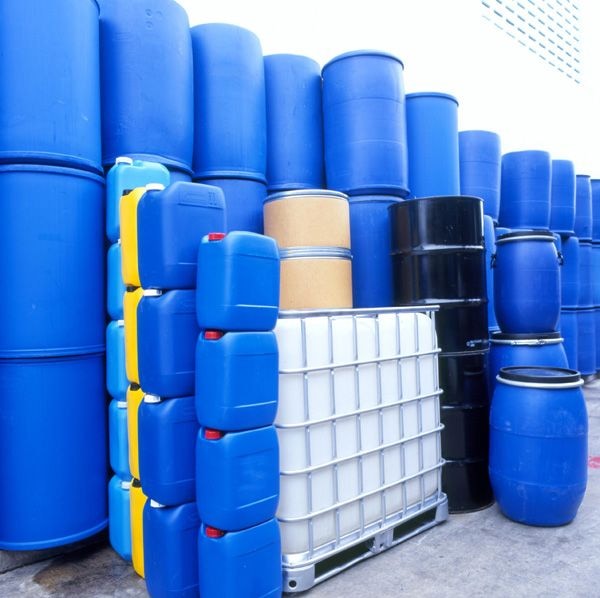
Quantity and packaging drive both price and availability. Be specific about the volume you need and how you would prefer it supplied.
- The quantity per order and how often you expect to reorder.
- Preferred packaging — for example drums, jerricans, bags or bulk.
- Any handling or storage constraints at your site.
3. Give context for the application
Telling the supplier what the chemical is for helps them confirm the right grade and flag anything you should know about handling or documentation such as a safety data sheet.
4. Include delivery and contact details
Finally, add your delivery location and the best way to reach you. With that, a supplier can quote landed pricing and a realistic lead time.
Cuprichem handles sourcing through a direct request for quote rather than an online checkout, so every response reflects your specific quantity and requirements.